How to Start Vertical Farming at Home: Grow Fresh Food in Small Spaces
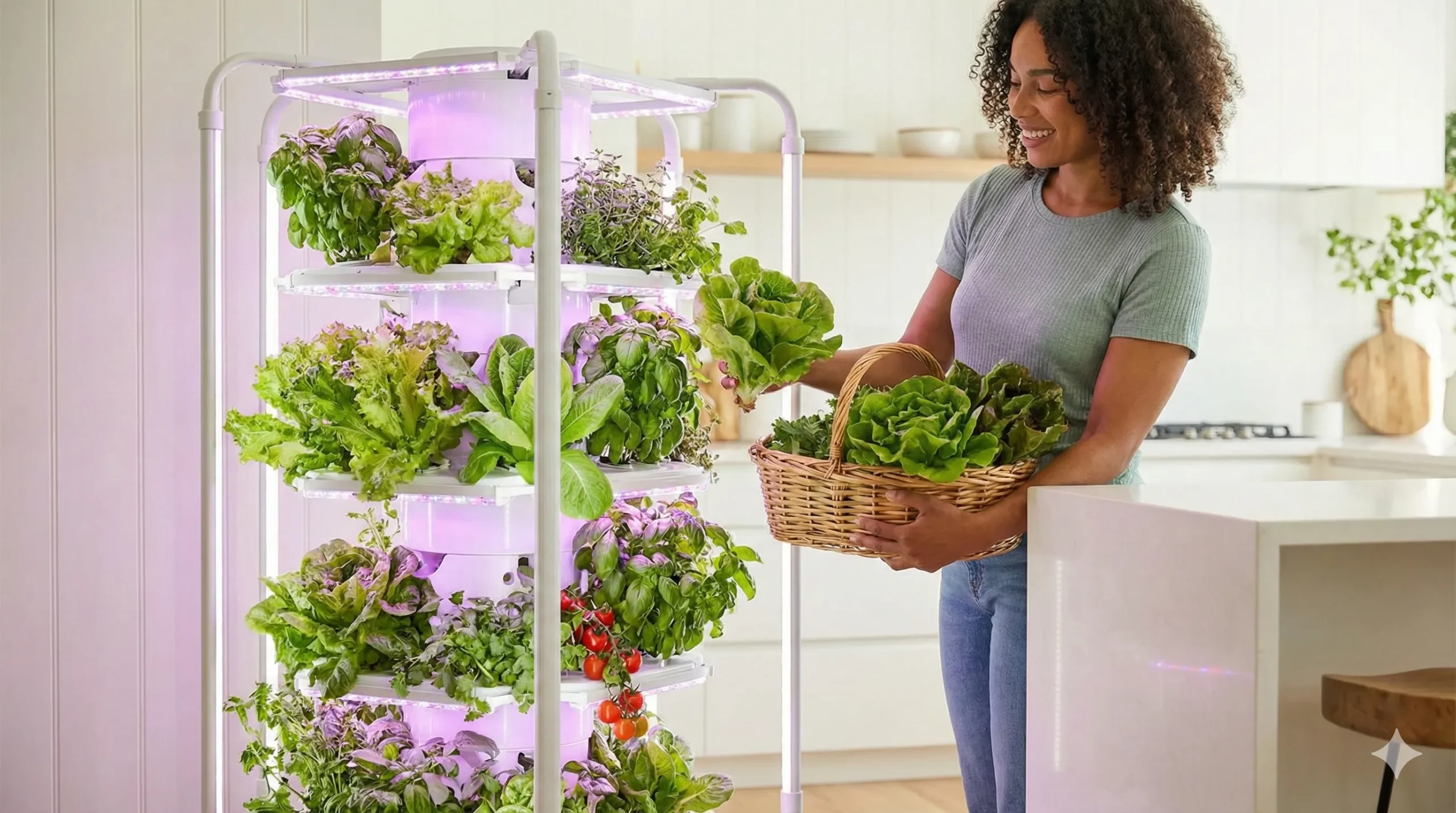
How to Start Vertical Farming at Home: Grow Fresh Food in Small Spaces. Imagine walking into your kitchen, not to open a plastic clam-shell of wilting spinach bought three days ago, but to snip fresh, crisp basil and lettuce right off a living wall. This isn’t a scene from a sci-fi movie; it is the reality of vertical farming at home.
As urbanization grows and our outdoor space shrinks, the desire to reconnect with our food sources has never been stronger. Vertical farming is the bridge between modern living and sustainable agriculture. Whether you live in a sprawling house or a compact studio apartment, this guide will walk you through everything you need to know to transform your indoor space into a lush, edible oasis.
What is Vertical Farming?
At its core, vertical farming is exactly what it sounds like: growing crops in vertically stacked layers. Unlike traditional farming, which requires vast horizontal acreage, vertical farming utilizes height. This practice often incorporates controlled-environment agriculture (CEA) technology, which aims to optimize plant growth, and soilless farming techniques such as hydroponics, aquaponics, and aeroponics.
For the home gardener, this means you can grow significantly more food in a smaller footprint. By utilizing shelves, towers, or wall-mounted systems, you can turn a 2-square-foot corner into a garden that produces as much as a 20-square-foot outdoor plot.
Why Start Vertical Farming at Home?
Before we dive into the “how,” let’s establish the “why.” Why should you invest time and money into an indoor vertical garden?
- Year-Round Harvests: Weather is no longer a factor. Snowing outside? scorching heatwave? Your lettuce doesn’t care.
- Water Efficiency: Most vertical systems use hydroponics, which uses up to 90% less water than traditional soil gardening because the water is recirculated.
- Space Saving: Perfect for urban dwellers. You are growing up, not out.
- Pesticide-Free: Indoors, you have control. Pests are rare, meaning you can eat organic produce without the organic price tag.
- Freshness & Nutrition: Produce loses up to 30% of its nutrients within 3 days of harvest. Eating food minutes after picking it ensures maximum nutritional density.
Choosing Your Vertical Farming Method
There is no “one size fits all” in vertical farming at home for beginners. The system you choose depends on your budget, DIY skills, and aesthetic preference.
1. Hydroponics (The Most Popular Choice)
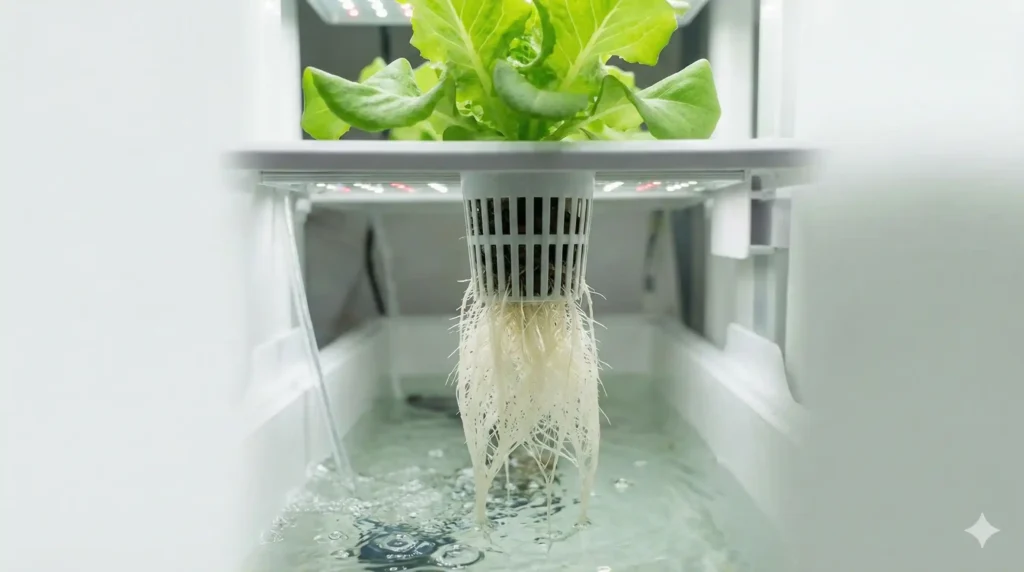
Hydroponics involves growing plants without soil. instead, roots are submerged in or periodically flooded with nutrient-rich water.
- Pros: Fast growth, water-efficient, clean (no dirt mess).
- Cons: Requires electricity (pumps/lights), monitoring of pH and nutrient levels.
- Best for: Lettuce, spinach, herbs, strawberries.
2. Aeroponics
A subset of hydroponics where roots hang in the air and are misted with nutrient solution.
- Pros: Maximum oxygen to roots promotes explosive growth.
- Cons: Higher risk—if the pump fails or mist nozzles clog, plants die quickly.
- Best for: Leafy greens and herbs.
3. Soil-Based Vertical Gardens
Using potting mix in stacked planters or wall pockets.
- Pros: Forgiving for beginners, low tech, no pumps required.
- Cons: Heavy, can be messy indoors, prone to soil-borne pests (gnats), slower growth than hydro.
- Best for: Root vegetables (radishes, carrots) or decorative plants.
4. Aquaponics
Combining aquaculture (raising fish) with hydroponics. The fish waste provides nutrients for the plants.
- Pros: Extremely sustainable ecosystem.
- Cons: Complex; you have to keep both plants and fish alive.
- Best for: Advanced hobbyists.
Recommendation for Beginners: Start with a simple Nutrient Film Technique (NFT) hydroponic system or a Vertical Tower Garden. These are widely available as kits and strike the best balance between ease of use and yield.
Essential Gear: What You Need to Get Started
Setting up your vertical farming system requires specific equipment. While kits are available, understanding the components is crucial.
1. The Structure (The Hardware)
This is the skeleton of your farm. It can be PVC pipes with holes drilled in them (DIY), a pre-bought tower garden, or a shelving unit with trays.
- Tip: Ensure your structure is stable. Wet plants and water reservoirs are heavy.
2. Grow Lights (The “Sun”)
This is the most critical factor for indoor growers. Your indoor lights are not enough. You need full-spectrum LED grow lights.
- Photosynthetically Active Radiation (PAR): Look for lights that specify high PAR values.
- Spectrum: Blue light promotes leafy growth (vegetative stage), while red light promotes flowering and fruiting. Full-spectrum white LEDs are the best all-around choice for beginners.
- Duration: Most vegetables need 14-16 hours of light per day. Get a simple wall timer to automate this.
3. Growing Medium
Since you aren’t using garden soil, you need a medium to support the roots.
- Rockwool: Spun volcanic rock fibers. Excellent water retention.
- Clay Pebbles (LECA): pH neutral, reusable, great for drainage.
- Coco Coir: Made from coconut husks, a sustainable alternative to peat moss.
4. Nutrients
Plants need food. In soil, nature provides it. In hydroponics, you must add it. Look for a high-quality, liquid hydroponic nutrient solution.
- N-P-K Ratio: Nitrogen (N), Phosphorus (P), Potassium (K). For leafy greens, you want higher Nitrogen.
Best Crops for Vertical Farming Beginners
Don’t try to grow watermelons on your first try. Start with “high-success” crops to build your confidence.
| Crop Category | Specific Plants | Difficulty | Harvest Time |
| Leafy Greens | Lettuce, Spinach, Kale, Arugula, Swiss Chard | Very Easy | 3-4 Weeks |
| Herbs | Basil, Mint, Parsley, Cilantro, Chives | Easy | 4-6 Weeks |
| Fruiting Plants | Cherry Tomatoes, Strawberries, Chili Peppers | Moderate | 2-3 Months |
| Microgreens | Radish, Broccoli, Pea Shoots | Very Easy | 7-10 Days |
Pro Tip: Microgreens are the absolute fastest way to get food on the table. They require minimal space and light and are packed with nutrients.
Step-by-Step Guide to Launching Your Farm
Ready to get your hands (slightly) dirty? Here is your roadmap to launching your vertical farming at home project.
Step 1: Select Your Location
Find a spot with access to a power outlet (for lights and pumps). Even though you have grow lights, placing the system near a window can help reduce electricity costs, but be wary of cold drafts in winter or scorching heat in summer. A corner of the kitchen or living room is ideal.
Step 2: Assemble Your System
If you bought a kit, follow the instructions. If you are DIYing a PVC pipe system, ensure all seals are watertight. Leak testing is mandatory—run the water through the system for 2 hours before adding plants.
Step 3: Germinate Seeds
Don’t put seeds directly into a running hydroponic system; they might wash away or drown.
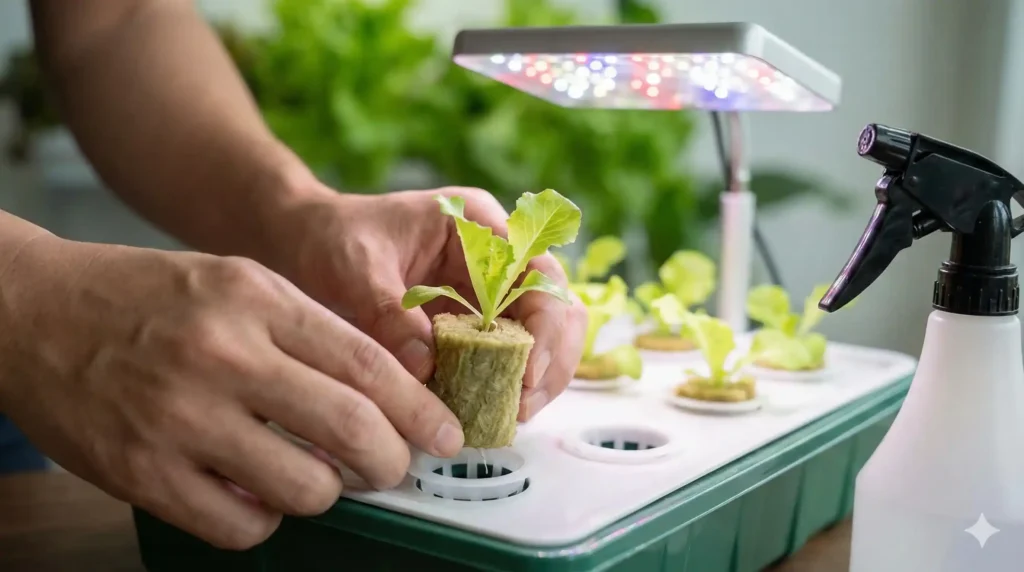
- Place seeds in “plugs” (Rockwool or sponge).
- Keep them in a humidity dome (a plastic tray with a lid) until they sprout.
- Once roots appear out of the bottom of the plug (usually 1-2 weeks), they are ready to transplant.
Step 4: Mix Your Nutrients
Fill your reservoir with cool, filtered water (chlorine from tap water can harm delicate plants, so let it sit for 24 hours or use a filter). Add nutrients according to the bottle instructions.
- Crucial: Start with half strength for seedlings. They are like babies; they can’t handle a full steak dinner yet.
Step 5: Transplant and Light Up
Place your seedling plugs into the net cups of your vertical tower. Set your light timer to 14-16 hours on, 8-10 hours off.
Maintenance: Keeping Your Garden Alive
The “set it and forget it” mentality will kill your garden. Vertical farming requires a weekly routine.
1. Check pH Levels
The pH of your water determines if plants can absorb nutrients.
- Target Range: 5.5 to 6.5.
- If pH is too high (alkaline), plants starve even if nutrients are present (nutrient lockout). Use “pH Down” solution to adjust.
2. Monitor Water Levels
As plants grow, they drink more. In a mature vertical garden, you might need to top off the water every few days. When you add water, remember to add a proportional amount of nutrients.
3. Clean the System
Algae loves water and light. If light hits your nutrient water, algae will grow, stealing nutrients from your plants.
- Prevention: Cover all net cups and ensure the reservoir is opaque (light-proof).
- Cleaning: Every few months (between crop cycles), flush the system with hydrogen peroxide and water to sterilize it.
4. Pruning and Harvesting
Don’t be afraid to harvest! Frequent harvesting of herbs (like basil) encourages the plant to grow bushier and produce more. For lettuce, you can use the “cut and come again” method: harvest the outer leaves and let the inner heart keep growing.
Troubleshooting Common Issues
Even the best vertical farming systems face challenges. Here is how to solve them.
- Leggy Seedlings: Your light is too far away. Lower the lights to 2-4 inches above the plants.
- Yellowing Leaves: usually a nitrogen deficiency or pH imbalance. Check pH first.
- Brown/Slimy Roots: Root rot. This is caused by lack of oxygen in the water or water that is too warm. Add an air stone (bubbler) to your reservoir and try to lower the water temperature.
- Tip Burn: The edges of lettuce turning brown. usually caused by lights being too close or nutrient concentration being too high.
The Economics: Is It Worth It?
A common question is whether vertical farming at home saves money.
- Initial Cost: A decent DIY setup can cost $100-$200. High-end kits range from $400 to $1000.
- Running Cost: Seeds and water are cheap. Electricity for LEDs is minimal (roughly $5-$10/month depending on size).
- ROI: If you buy organic herbs and greens weekly, you likely spend $20-$30/week. A vertical garden can produce this amount easily. You can recoup your investment in a DIY system in 3-4 months.
However, the real value isn’t just financial. It is the health benefit of pesticide-free food, the mental health benefit of tending to plants, and the educational value for children seeing where food comes from.
Conclusion: The Future is Vertical
Vertical farming at home is more than a trend; it is a lifestyle shift towards self-sufficiency and sustainability. By taking control of your food production, you reduce your carbon footprint, improve your diet, and beautify your living space.
Whether you start with a simple mason jar herb garden or a full-scale 6-foot aeroponic tower, the most important step is the first one. The technology is here, the information is available, and the seeds are waiting.
Are you ready to grow your first salad?