Is Organic Food Worth It? The Truth About Organic vs Non Organic
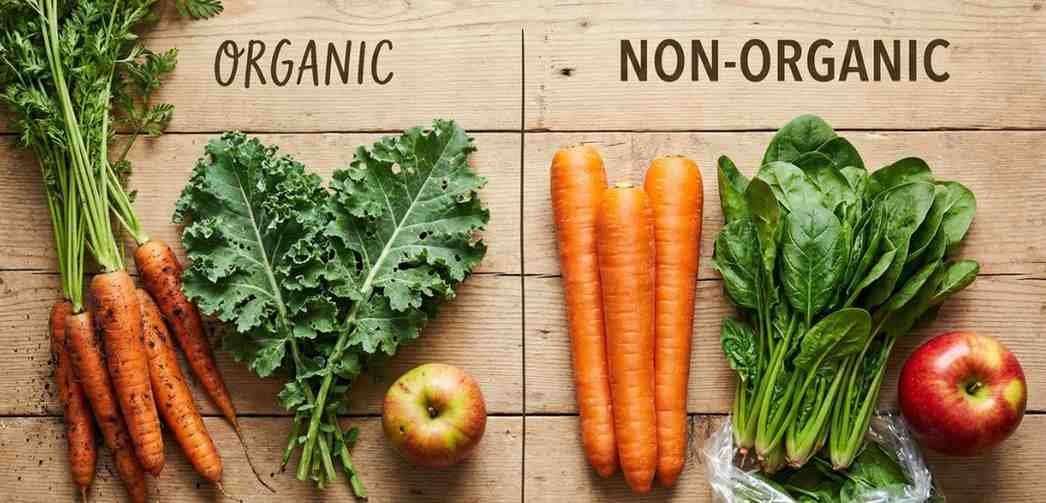
Is Organic Food Worth It? The Truth About Organic vs Non Organic. In the aisles of modern grocery stores, consumers face a daily dilemma. On one side, you have glossy, perfectly shaped apples; on the other, slightly irregular ones with a higher price tag and a green label. This is the frontline of the organic vs inorganic food debate.
For decades, the question of whether to “go organic” has been more than just a dietary choice—it is a lifestyle statement, a health consideration, and an environmental stance. But what are you actually paying for? Is organic food worth it?
This comprehensive guide breaks down the science, the farming practices, and the hard truths behind organic vs non organic produce to help you make informed decisions for you and your family.
What Exactly is the Difference?
To understand the battle of organic vs inorganic food, we must first look at the soil. The primary difference lies not just in the final product, but in the journey it takes from farm to fork.
1. Organic Farming
Organic farming is an agricultural method that strives to mimic natural ecosystems. It relies on biodiversity and ecological processes rather than artificial inputs.
- Seeds: Must be non-GMO (Genetically Modified Organisms).
- Fertilizers: Natural sources like compost, manure, and bone meal.
- Pest Control: Beneficial insects (like ladybugs), birds, and traps.
- Livestock: Animals are given organic feed, access to the outdoors, and are raised without growth hormones or routine antibiotics.
2. Inorganic (Conventional) Farming
Often referred to as “inorganic” or conventional farming, this method focuses on high-yield efficiency.
- Seeds: Can be GMOs engineered to resist pests or tolerate herbicides.
- Fertilizers: Synthetic chemical fertilizers (nitrogen, phosphorus, potassium) to promote rapid growth.
- Pest Control: Synthetic pesticides and herbicides.
- Livestock: May receive antibiotics to prevent disease in close quarters and hormones to speed up growth.
Nutrient Density: Is Organic More Nutritious?
One of the most contentious points in the organic vs non organic debate is nutrition. Does an organic strawberry pack more vitamins than a conventional one?
The Antioxidant Advantage
Several studies, including a comprehensive review published in the British Journal of Nutrition, suggest that organic crops can have significantly higher concentrations of antioxidants—specifically polyphenols. Because organic plants must fight off pests without the “shield” of synthetic pesticides, they produce more of their own defense compounds (antioxidants), which are beneficial to human health.
The Mineral Debate
When it comes to standard vitamins and minerals (like Vitamin C, Magnesium, and Calcium), the gap narrows. While some studies show marginal increases in organic produce, major health organizations generally agree that conventional farming vs organic farming yields produce with relatively similar caloric and vitamin profiles.
Key Takeaway: If you are looking for higher antioxidant levels, organic may have the edge. However, eating any vegetables (organic or inorganic) is always better than eating none.
Health & Safety: The Pesticide Problem
For many parents and health-conscious individuals, the driving force behind choosing organic is safety.
Pesticides in Food
This is the strongest argument for organic. Pesticides in food are strictly regulated in conventional farming, but residues often remain on the skin of fruits and vegetables. The USDA Pesticide Data Program consistently finds residues on conventionally grown produce even after washing.
- Organic: significantly lower pesticide residues. Any pesticides used must be derived from natural sources.
- Inorganic: Higher likelihood of synthetic pesticide residue.
Antibiotics and Hormones
In conventional animal husbandry, the overuse of antibiotics can contribute to the rise of antibiotic-resistant bacteria (“superbugs”). Organic regulations strictly prohibit this practice. If you are concerned about antibiotic resistance or synthetic growth hormones entering your diet, organic meat and dairy are the clear winners.
Did You Know? The “Dirty Dozen” is a list published annually by the Environmental Working Group (EWG) identifying the top conventional foods with the highest pesticide residues. Strawberries and spinach frequently top this list.
Environmental Impact: Which is Greener?
When analyzing organic vs inorganic food, we cannot ignore the planet.
Soil Health and Biodiversity
Organic farming excels at building healthy soil. By banning synthetic fertilizers, organic farmers rely on crop rotation and composting, which sequesters carbon and retains water. Furthermore, organic farms typically support 30% more biodiversity (birds, bees, and soil microbes) than conventional farms.
The Yield Trade-off
Critics of organic farming point out that it typically requires more land to produce the same amount of food as conventional farming. Because conventional farming vs organic farming uses potent fertilizers, conventional yields are higher. This creates a complex debate: is it better to farm organically on more land, or intensively on less land?
The Verdict: For local biodiversity and water health (reduced chemical runoff), organic is superior. For pure land-use efficiency, conventional farming holds the advantage.
The Cost Factor: Is Organic Food Worth It?
We’ve all felt the sticker shock. Organic food can cost anywhere from 20% to 100% more than its inorganic counterparts. Why?
- Labor Intensive: Hand-weeding and natural pest control take more time than spraying chemicals.
- Certification: Organic certification is expensive for farmers to obtain and maintain.
- Economies of Scale: Conventional farms are often massive, industrial operations that can drive costs down.
Is organic food worth it? If your budget allows, the reduced exposure to synthetic chemicals and the support for sustainable farming practices offer high value. However, if the cost prohibits you from buying fresh produce, always prioritize buying conventional fruits and vegetables over processed foods.
How to Make the Right Choice
You don’t have to view the organic vs non organic choice as all-or-nothing. Here is a strategic approach to shopping:
- Read the Labels: Look for the “USDA Organic” seal (or your local equivalent). “All-natural” is a marketing term with little regulation; “Organic” is a legal certification.
- Prioritize the Thin-Skinned: Spend your organic budget on foods where you eat the skin (strawberries, spinach, grapes, apples). These are most likely to retain pesticides in food.
- Save on the Thick-Skinned: Foods with thick, discardable peels (avocados, bananas, pineapples, onions) are generally safe to buy inorganic, as the peel protects the edible fruit from pesticide contact.
Conclusion
The debate of organic vs inorganic food is rarely black and white. While organic food offers clear advantages in terms of lower pesticide exposure, better animal welfare, and higher antioxidant levels, conventional food remains a nutritious and affordable option for feeding the global population.
Frequently Asked Questions (FAQs)
1. What is the fundamental difference between organic and inorganic food?
The core difference lies in the farming methods used to produce them. Organic farming relies on natural ecosystems, using natural fertilizers like compost and manure, and controlling pests with biological methods or natural deterrents. Inorganic (or conventional) farming relies on synthetic chemicals, including nitrogen-based fertilizers, chemical pesticides, and herbicides to maximize crop yield and size.
2. Does “organic” mean the same thing as “natural”?
No, these terms are often confused but mean very different things. “Organic” is a strictly regulated legal term that requires certification and adherence to specific federal standards regarding soil quality, animal raising practices, and pest and weed control. “Natural” or “All-Natural” is a marketing label that is largely unregulated and does not guarantee the food was grown without synthetic pesticides or GMOs.
3. How can I identify organic produce at the supermarket?
You can identify organic vs inorganic food by looking at the Price Look-Up (PLU) sticker on the fruit or vegetable.
Organic: The code consists of five digits and starts with the number 9.
Inorganic (Conventional): The code consists of four digits and typically starts with a 3 or 4.
4. Is it true that you can just wash pesticides off conventional produce?
Washing is important, but it is not a perfect solution. While washing with water or a veggie wash can remove surface residues (topical pesticides), many conventional farms use “systemic” pesticides. These chemicals are absorbed by the roots and distributed throughout the inside of the fruit or vegetable. Because the pesticide is inside the flesh of the produce, it cannot be washed, peeled, or scrubbed away.
5. Why is organic food so much more expensive?
The higher price point, often asked as “is organic food worth it?”, stems from the higher cost of production. Organic farming is more labor-intensive (often requiring hand-weeding rather than chemical sprays), has lower crop yields per acre compared to conventional farming, and involves expensive certification fees. Without synthetic preservatives, organic food also has a shorter shelf life, which increases logistical costs.
6. Does organic food contain GMOs?
No. One of the strict requirements for organic certification is the prohibition of Genetically Modified Organisms (GMOs). If you buy certified organic food, you are automatically buying non-GMO products. However, conventional (inorganic) foods may be grown from genetically modified seeds to resist pests or tolerate herbicides.
7. Are there specific foods I should prioritize buying organic?
Yes. If you are on a budget, focus on buying organic for the “Dirty Dozen”—a list of produce that retains the most pesticide residue. This typically includes strawberries, spinach, kale, nectarines, apples, and grapes. You can generally save money by buying inorganic versions of the “Clean Fifteen,” which are foods with thick skins that protect the edible part, such as avocados, sweet corn, pineapples, and onions.

Read more
Also Read below
- How to Book Urea & Fertilizers in the Framework for Fertilizer Sale (FFS) App: Step-by-Step Guide
- Framework for Fertilizer Sale (FFS): Telangana’s New Centralized Fertilizer App
- Fertilizer Booking App: Mistakenly Entered Less Crop Area? Here’s What Farmers Need to Know
- Monsoon 2026: Best Crops for Farmers as IMD Predicts Weak Rainfall
- Digital India: Identify Your Land Survey Number Instantly Using Your Smartphone
- AI in Farming: How Indian Farmers Are Transforming Agriculture
- Best Winter Crops for Export From India
- Dhaincha Farming Guide: Save 50% on Urea & Improve Soil Health
- Fertilizer Booking App Guide: How to Book Urea Online