
Best Winter Crops for Export From India
Best Winter Crops for Export From India. As the cool winter air settles over India, a golden window of opportunity opens for the nation’s farmers and agricultural exporters. While much of the Northern Hemisphere lies dormant under frost and snow, India’s diverse climates allow for the cultivation of a rich bounty of fresh produce. This counter-seasonal advantage is a powerful tool, enabling you to supply high-demand international markets at a time when they need it most, leading to premium prices and significant profits.
This guide will walk you through the best crops to grow for export during the winter season. We will cover in-demand vegetables, fruits, and spices that thrive in India’s cooler months. You will gain actionable insights on cultivation, target markets, and the precise timing needed to turn your winter harvest into a successful global venture.
Why Winter is a Prime Export Season
The winter months, roughly from November to March, are strategically important for Indian agriculture. The primary reason is the counter-seasonal supply to major consumer markets in Europe and North America. When local production in these regions ceases due to cold weather, their reliance on imports surges. This creates a predictable and lucrative demand that Indian exporters are perfectly positioned to fill.
Furthermore, India’s winter conditions are ideal for growing a range of temperate crops that are highly sought after globally. The moderate temperatures and lower humidity reduce disease pressure and result in high-quality produce. By focusing on the right crops, you can leverage this seasonal advantage to its fullest potential.
Top Winter Vegetables for Export
Winter vegetables from India are prized for their freshness and quality, filling a critical gap in global supply chains.
1. Broccoli: The Green Superfood
Once a niche product, broccoli is now a global health staple. Its reputation as a superfood, packed with vitamins and antioxidants, ensures consistent demand from health-conscious consumers worldwide.
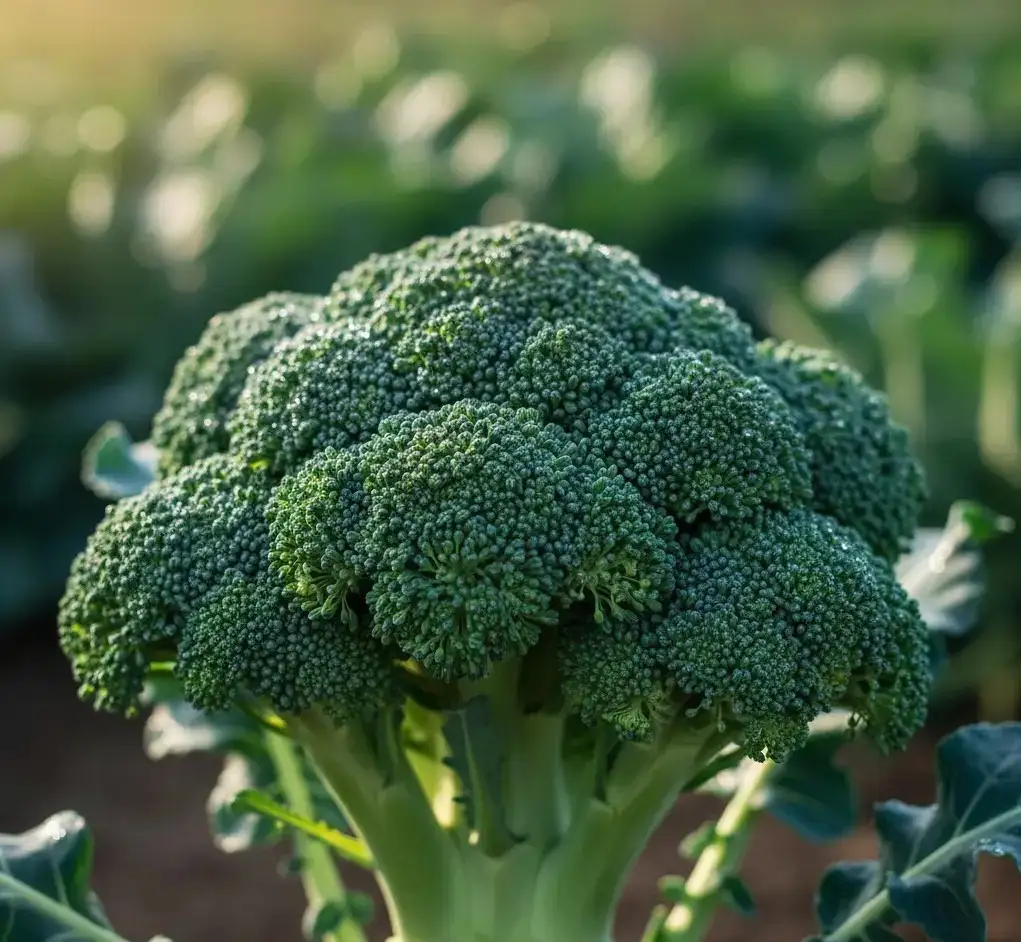
- Global Demand: The demand for fresh broccoli is particularly strong in the Middle East (UAE, Saudi Arabia) and Europe (UK, Netherlands). These markets rely heavily on imports during their winter.
- Cultivation Insights: Broccoli thrives in the cool, crisp weather of the Indian winter. Plant hybrid varieties known for firm, compact heads and good post-harvest life. Well-drained, fertile soil is essential. The ideal time for planting is from September to October, allowing for harvests from December to February.
- Export Strategy: Broccoli is highly perishable. It must be hydro-cooled immediately after harvest to remove field heat. Shipping via air freight or fast sea freight in refrigerated (reefer) containers is necessary. For European markets, Global G.A.P. certification is a must.
2. Cauliflower: A Versatile Staple
Similar to broccoli, cauliflower enjoys strong demand in international markets, especially varieties with pure white, compact curds.
- Global Demand: The Middle East is a significant market for Indian cauliflower, appreciating its quality for various culinary uses. European demand is also steady throughout the winter.
- Cultivation Insights: Grow heat-tolerant hybrid varieties that produce uniform curds. Blanching (tying the outer leaves over the head) can help keep the curds white and protect them from sun exposure, a quality highly valued by importers.
- Export Strategy: Quality grading is critical. Export only Grade-A, blemish-free heads. Packaging in ventilated cartons prevents moisture buildup. Maintaining a consistent cold chain from farm to destination is crucial for preserving freshness.
3. Onions: A Global Necessity
India is an onion powerhouse, and the winter harvest (Rabi crop) is known for its quality and better storage life, making it ideal for export.
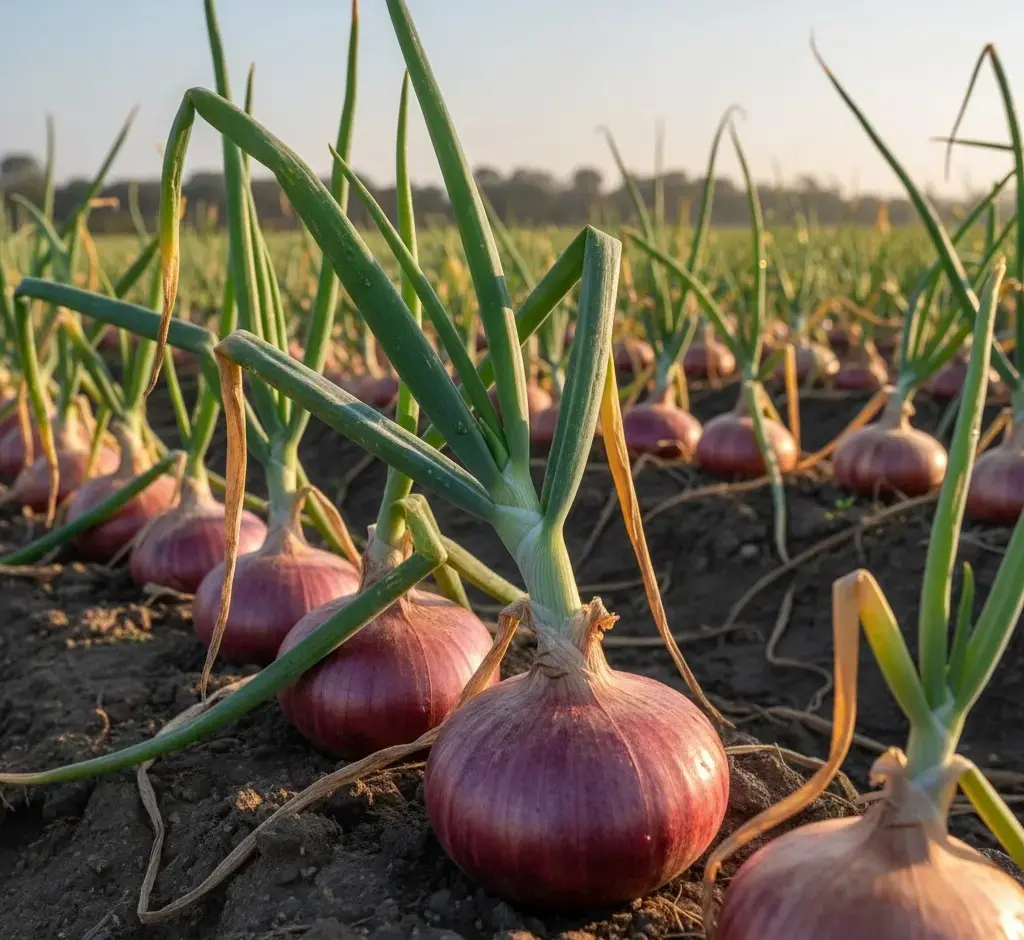
- Global Demand: Markets in Southeast Asia (Malaysia, Singapore) and the Middle East are major importers of Indian onions. Demand is consistent, though prices can be volatile based on global supply dynamics.
- Cultivation Insights: The Rabi onion crop, planted in October-November and harvested from March to May, has a lower moisture content, making it less perishable. Proper curing after harvest is essential to extend its shelf life for long sea voyages.
- Export Strategy: Profitability in onion exports often comes from volume and timing. Monitor international prices and government export policies closely. Strong, well-ventilated jute or mesh bags are the standard packaging for bulk shipments.
Profitable Winter Fruits for Global Markets
Winter is also a peak season for some of India’s most prized export fruits.
1. Grapes (Table Varieties)
The Indian grape season, running from December to April, perfectly aligns with the winter demand in the Northern Hemisphere.
- Global Demand: Europe is the largest and most lucrative market for Indian table grapes. The Netherlands acts as a major hub, distributing to countries like the UK and Germany. Russia and the Middle East are also significant buyers.
- Cultivation Insights: The Nashik region is the heart of India’s grape production. Focus on popular seedless varieties like Thompson Seedless and Flame Seedless. Adhering to the EU’s strict Maximum Residue Level (MRL) standards is non-negotiable for market access.
- Export Strategy: The cold chain for grapes must be flawless. Grapes are typically packed in punnets or carry-bags inside cartons for retail appeal. Pre-cooling to the ideal temperature of around 0-1°C immediately after harvest is vital.
2. Pomegranates (Bhagwa Variety)
The Indian pomegranate, particularly the Bhagwa variety with its ruby-red arils and soft seeds, is a high-value export crop. Demand peaks around the global holiday season.
- Global Demand: European markets, especially the UK and Netherlands, drive demand for pomegranates during Christmas and New Year. The fruit’s festive appearance and health benefits make it very popular.
- Cultivation Insights: The main harvest season aligns well with this winter demand window. Focus on integrated pest management to produce blemish-free fruit, as appearance is critical for export.
- Export Strategy: Sizing is key; buyers have specific caliber requirements. Pack fruits in single-layer trays to prevent bruising. Shipping in reefer containers ensures they arrive in prime condition for the holiday rush. Missing this narrow window can be costly.
Spices and Other High-Value Winter Crops
Winter is also the post-harvest period for many of India’s world-famous spices.
1. Turmeric and Cumin
The harvest for these essential spices typically concludes as winter begins, making this the prime time for exporting the fresh, new crop.
- Global Demand: The USA and Europe are major markets, driven by the food industry and the booming wellness sector, which values turmeric for its high curcumin content.
- Cultivation Insights: Focus on varieties known for high active ingredient content (curcumin in turmeric, essential oils in cumin).
- Export Strategy: Have your product lab-tested and certified for quality. Organic certification can unlock significant price premiums. Ensure the spice is properly dried to the required moisture level to prevent mold during transit.
2. Cotton: India’s White Gold
The main cotton harvest season runs through the winter months, supplying the global textile industry.
- Global Demand: Textile powerhouses like Bangladesh, Vietnam, and China are the largest importers of Indian raw cotton.
- Cultivation Insights: Quality is measured by staple length, strength, and micronaire.
- Export Strategy: Work with modern ginning facilities to ensure low trash content and high-quality bales. Fulfilling large, consistent orders is key to success in this volume-driven market.
Conclusion: Plan Your Winter for a Profitable Year
The winter season offers Indian farmers a distinct and powerful advantage in the global agricultural market. By focusing on high-demand crops like broccoli, grapes, pomegranates, and onions, you can tap into lucrative international demand when competition is low and prices are high.
Success requires careful planning. Start by selecting the right crop for your region, adopt best cultivation practices to meet international quality standards, and invest in a robust cold chain. By aligning your harvest with these strategic market windows, you can turn the cool winter months into your most profitable season of the year.
Read More
Also read
- Digital India: Identify Your Land Survey Number Instantly Using Your Smartphone
- AI in Farming: How Indian Farmers Are Transforming Agriculture
- Best Winter Crops for Export From India
- Dhaincha Farming Guide: Save 50% on Urea & Improve Soil Health
- Fertilizer Booking App Guide: How to Book Urea Online


